Explore
9 Ways to Eat Clean
Pick Whole Foods

Load Up on Fruits and Veggies
Clean foods are naturally low in salt and sugar, and adding them goes against the as-natural-as-possible approach. Since processed foods are a major source of them, you can slash your intake when you avoid them. Otherwise, read food labels to look for added sweeteners and salt, even in foods that seem healthy, like yogurt or tomato sauce. Also keep tabs on how much you add to your foods and drinks. Try flavoring with spices and herbs instead.
Skip Artificial Ingredients
Artificial colors, sweeteners, preservatives, and other manmade ingredients don’t have a place in a clean-eating diet. At the grocery store, read food labels and avoid items with the fake stuff.
Sip Plenty of Water
Instead of sugar-heavy soft drinks and juices, sip low-calorie beverages, such as water and herbal tea. Water can curb your hunger and help you feel full, but it can also fend off fatigue and give you more energy. Miss flavored drinks? Try infusing your water with a slice of citrus or sprig of mint.
Rethink Alcohol and Caffeine
Some clean eaters cut them out entirely in favor of drinking plenty of water. Others say it’s OK to have them in moderation. Clean eater or not, experts recommend no more than 400 milligrams of caffeine (about three to five 8-ounce cups of coffee) per day, and one serving of alcohol for women and two for men. Also skip the sugary extras: Opt for plain tea or coffee, and avoid sweet mixers for alcohol.
Decide If You’ll Go Organic
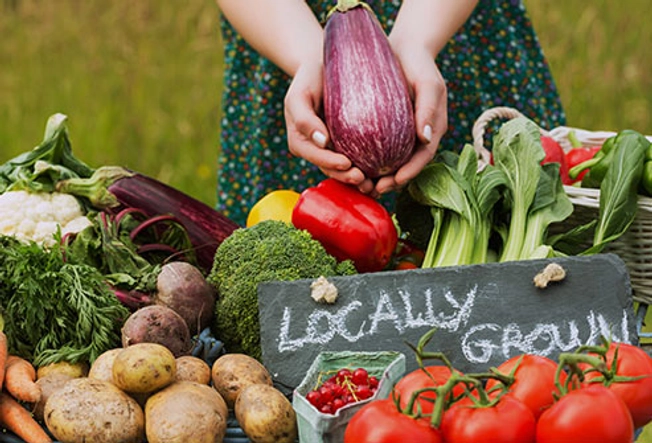
Organic farmers use natural pesticides and avoid man-made ones, so some people say organic produce is the best way to eat clean. It’s up to you to decide how important it is to your diet. You can also shop at your local farmers market to find out what kinds of pesticides the vendors use. Another tip: Pesticides usually wind up on the outsides of fruits and veggies, so you can choose non-organic foods with skins you don't eat, like avocados, corn, and onions
Be Smart About Meat and Dairy
Meat, dairy, and eggs you buy at the store may come from animals that get growth hormones and antibiotics. Clean eaters avoid them and choose organic or opt for local sources that raise animals humanely. A farmer’s market is a good place to learn more about where your meat and dairy come from. Seafood isn’t labeled as organic, so look for items low in mercury and that use sustainable fishing. The cleanest approach to protein? Get most of it from nuts, beans, and legumes.
The Latest in Health