
Explore
Nurturing Mental Health: Overcoming Anxiety and Cultivating Well-be
Now it's common for individuals to experience anxiety and mental health challenges. The impact of anxiety can be far-reaching, affecting various aspects of life and overall well-being.
However, by understanding anxiety and implementing effective strategies, individuals can cultivate mental well-being and lead fulfilling lives. In this article, we will explore anxiety, its effects on mental health, and practical techniques to manage and overcome it.
Understanding Anxiety:
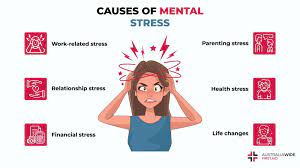
Anxiety is a natural human response to stress, triggered by various factors such as work pressures, personal relationships, or significant life events. While it is normal to feel anxious on occasion, excessive or prolonged anxiety can interfere with daily functioning and overall happiness. Anxiety disorders, such as generalized anxiety disorder (GAD) or panic disorder, involve persistent and intense feelings of worry or fear.
Effects of Anxiety on Mental Health:
Untreated anxiety can have a significant impact on mental health and overall well-being. It can lead to chronic stress, disrupted sleep patterns, difficulty concentrating, and impaired performance in various areas of life. Anxiety may also contribute to feelings of low self-esteem, social withdrawal, and a decreased quality of life. Recognizing the effects of anxiety is crucial in taking proactive steps towards managing and improving mental health.
Cultivating Mental Well-being:
While overcoming anxiety may seem challenging, there are practical strategies that individuals can incorporate into their lives to promote mental well-being. Here are some techniques to consider:
Mindfulness and Meditation:
Practicing mindfulness and meditation can help individuals become more aware of their thoughts and emotions. These practices promote a sense of calm, reduce anxiety levels, and improve overall mental clarity.
Regular Exercise:
Engaging in physical activity releases endorphins, which are natural mood enhancers. Regular exercise not only boosts physical health but also helps manage stress and anxiety, promoting mental well-being.
Healthy Lifestyle Choices:
Adopting a balanced diet, getting adequate sleep, and minimizing the use of substances like alcohol or drugs can positively impact mental health. Nourishing the body with proper nutrition and restful sleep contributes to emotional stability and resilience.
Seeking Support:
It's essential to reach out for support when experiencing anxiety. Connecting with loved ones, joining support groups, or seeking professional help from therapists or counselors can provide valuable guidance and assistance in managing anxiety.
Stress Management Techniques:
Developing effective stress management techniques, such as practicing time management, setting realistic goals, and incorporating relaxation exercises, can significantly reduce anxiety levels and improve overall well-being.
Anxiety can be a significant challenge, but it is possible to cultivate mental well-being and overcome its effects. By understanding anxiety, implementing practical strategies, and seeking support, individuals can take proactive steps towards improved mental health. Remember, everyone's journey is unique, and it's important to be patient and kind to oneself during the process. With persistence and the right tools, individuals can break free from the grips of anxiety and embrace a life of mental well-being and fulfillment.
The Latest in Health