
Explore
Nurturing Mental Well-being: Effective Strategies for Managing Anxiet
In this article, we will explore practical techniques and approaches that can help individuals navigate through anxiety and foster overall mental health.
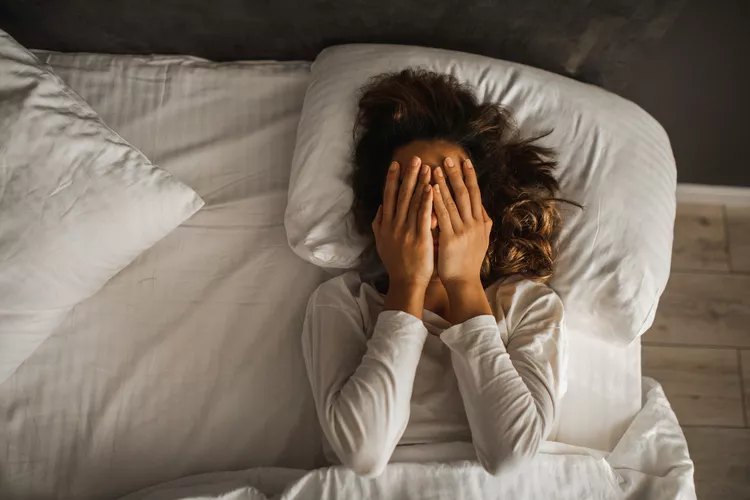 Recognize and Acknowledge Your Anxiety:
- The first step in managing anxiety is to recognize and acknowledge its presence.
- Pay attention to the physical and emotional symptoms you experience, such as racing thoughts, restlessness, or a sense of unease.
- By acknowledging your anxiety, you can begin to take proactive steps towards addressing it.
Practice Deep Breathing and Relaxation Techniques:
- Deep breathing exercises and relaxation techniques can help calm the mind and body.
- Engage in deep, slow breaths, focusing on each inhalation and exhalation.
- Incorporate relaxation techniques such as progressive muscle relaxation, guided imagery, or meditation to promote a sense of calm and reduce anxiety levels.
Challenge Negative Thoughts:
- Anxiety often arises from negative or distorted thinking patterns.
- Challenge these thoughts by questioning their validity and replacing them with more positive and realistic perspectives.
- Use evidence-based thinking to challenge anxious thoughts and reframe them in a more constructive and balanced way.
Engage in Regular Physical Activity:
- Physical activity has numerous benefits for mental health, including anxiety reduction.
- Engage in regular exercise, whether it's walking, jogging, yoga, or any other form of physical activity that you enjoy.
- Exercise releases endorphins, which are natural mood boosters and can help alleviate anxiety symptoms.
Establish Healthy Coping Mechanisms:
- Identify healthy coping mechanisms that work for you. This may include engaging in creative outlets like art, music, or writing, practicing mindfulness, spending time in nature, or connecting with loved ones.
- Find activities that bring you joy and help you relax, providing a healthy outlet for stress and anxiety.
Maintain a Balanced Lifestyle:
- Prioritize self-care and maintain a balanced lifestyle.
- Ensure you get adequate sleep, eat a nutritious diet, and establish a consistent routine. Avoid excessive caffeine or alcohol consumption, as they can exacerbate anxiety symptoms.
- Taking care of your physical health contributes to better mental well-being.
Seek Support:
- Don't hesitate to reach out for support when needed. Talk to a trusted friend, family member, or seek guidance from a mental health professional.
- They can provide valuable insights, tools, and support tailored to your specific needs. Remember, seeking help is a sign of strength, and you don't have to face anxiety alone.
- Managing anxiety and prioritizing mental health is an ongoing process that requires patience and dedication. By implementing these strategies, individuals can take proactive steps towards managing and alleviating anxiety symptoms.
Remember, everyone's journey is unique, so it's essential to find what works best for you. With the right tools and support, you can navigate through anxiety and nurture your mental well-being, leading to a happier and more fulfilling life.
The Latest in Health