
Explore
Unraveling the Link Between Anxiety and Sleep: Strategies for a Restful Night
Anxiety and sleep, two seemingly unrelated aspects of our lives, often become closely intertwined, creating a vicious cycle that can significantly impact our overall well-being. While anxiety is a normal response to stress, persistent and excessive anxiety can disrupt our sleep patterns, leading to poor sleep quality and further exacerbating our anxious feelings. This article aims to explore the intricate relationship between anxiety and sleep, shedding light on the underlying mechanisms, and offering practical strategies to break free from this cycle, allowing you to enjoy a peaceful and restorative night's sleep.
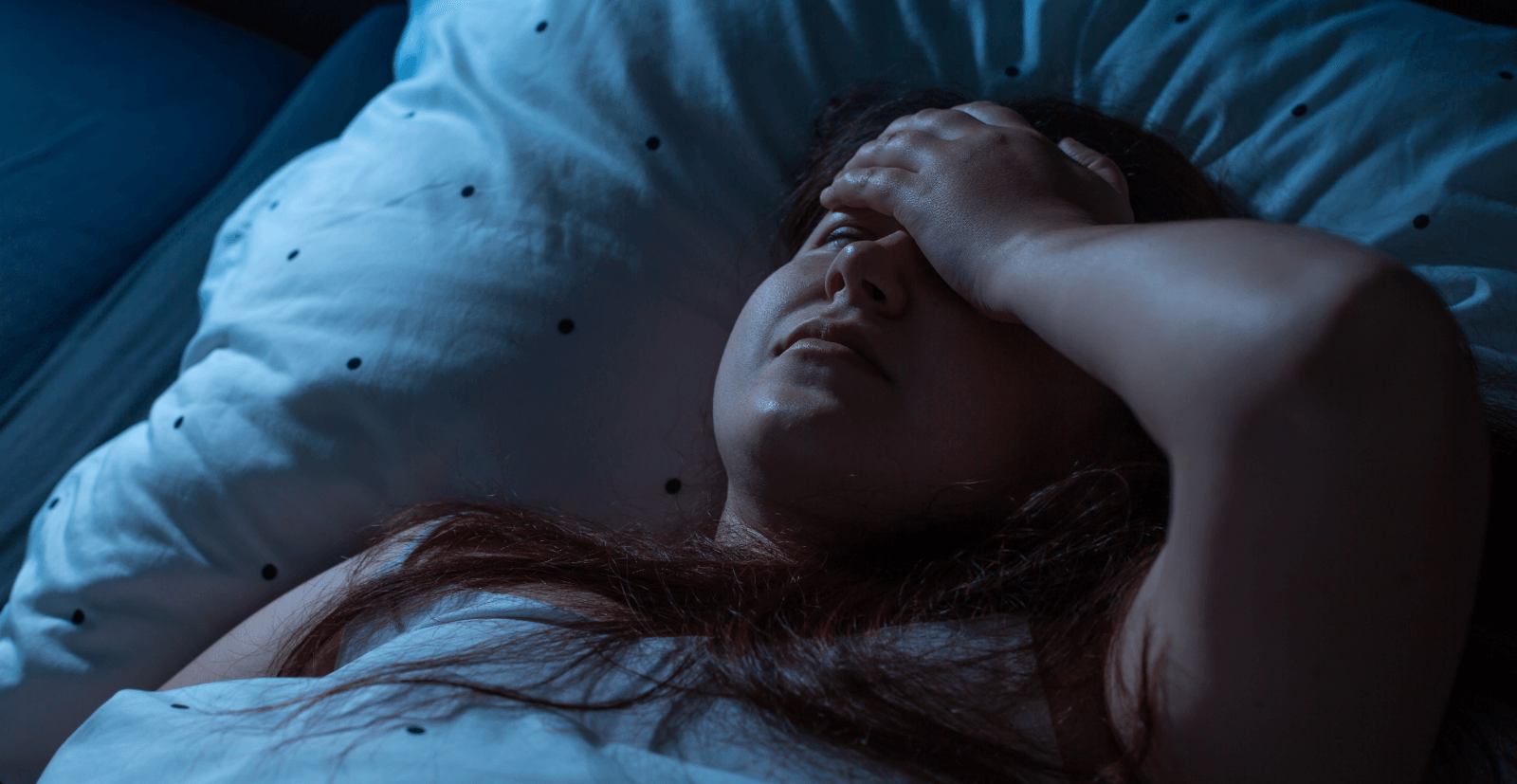 The Connection Between Anxiety and Sleep
1. The Anxiety-Sleep Cycle
The relationship between anxiety and sleep is often described as a cycle. Anxiety can lead to difficulty falling asleep, maintaining sleep, or experiencing restorative sleep. In turn, sleep deprivation or poor sleep quality can heighten anxiety levels, creating a feedback loop.
2. Biological Mechanisms
Several biological mechanisms underlie the connection between anxiety and sleep. One key factor is the body's stress response, which activates the release of stress hormones like cortisol. Elevated cortisol levels make it challenging to relax and fall asleep. Additionally, anxiety can lead to increased muscle tension, making it difficult to find a comfortable sleeping position.
3. Overthinking and Racing Thoughts
Anxiety often causes racing thoughts and overthinking, making it hard to turn off the mind at bedtime. People with anxiety may ruminate on past events or worry about future outcomes, preventing them from entering a relaxed state conducive to sleep.
The Impact of Anxiety on Sleep
1. Insomnia
Insomnia is one of the most common sleep disorders associated with anxiety. It's characterized by difficulty falling asleep, staying asleep, or waking up too early and being unable to return to sleep. Chronic insomnia can further exacerbate anxiety, leading to increased stress and frustration.
2. Nightmares and Night Sweats
Anxiety can trigger vivid nightmares and night sweats, leading to frequent awakenings during the night. These disturbances disrupt the sleep cycle, preventing the individual from reaching the deeper, restorative stages of sleep.
3. Sleep-Onset and Maintenance Insomnia
Sleep-onset insomnia refers to difficulty falling asleep initially, while sleep maintenance insomnia involves waking up frequently during the night. Both are common symptoms of anxiety and can lead to reduced sleep duration and quality.
Strategies to Improve Sleep Despite Anxiety (400 words):
1. Establish a Consistent Sleep Routine
Creating a consistent sleep routine can help regulate your body's internal clock. Try to go to bed and wake up at the same time every day, even on weekends. This routine helps train your body to recognize when it's time to sleep, making it easier to fall asleep and wake up feeling refreshed.
2. Create a Relaxing Bedtime Ritual
Developing a relaxing bedtime ritual can signal to your body that it's time to wind down. Consider activities like reading a book, taking a warm bath, practicing deep breathing exercises, or meditating. Avoid stimulating activities such as watching intense TV shows or using electronic devices, as the blue light emitted can interfere with your sleep-wake cycle.
3. Manage Stress and Anxiety During the Day
To reduce nighttime anxiety, it's essential to manage stress and anxiety throughout the day. Engage in stress-reduction techniques like mindfulness meditation, yoga, or progressive muscle relaxation. Additionally, address sources of stress in your life through problem-solving and seeking support from friends, family, or a therapist.
4. Limit Caffeine and Alcohol Intake
Caffeine and alcohol can disrupt your sleep patterns. Limit your intake of these substances, especially in the hours leading up to bedtime. Both caffeine and alcohol can interfere with the quality of your sleep and exacerbate anxiety symptoms.
5. Create a Sleep-Friendly Environment
Your sleep environment plays a crucial role in the quality of your sleep. Ensure your bedroom is cool, dark, and quiet. Invest in a comfortable mattress and pillows. Consider using white noise machines or earplugs to block out disruptive sounds.
Conclusion (200 words):
The link between anxiety and sleep is undeniable, but it's important to remember that there are effective strategies to break free from this cycle. By understanding the mechanisms at play and implementing lifestyle changes and relaxation techniques, you can improve your sleep quality and reduce anxiety's grip on your life. If anxiety and sleep disturbances persist, consider seeking professional help from a therapist or sleep specialist. Remember that a restful night's sleep is not just a luxury but a fundamental component of overall well-being, and with dedication and the right approach, it can be within your reach.
This article explores the complex relationship between anxiety and sleep, shedding light on the underlying mechanisms and offering practical strategies to improve sleep quality despite anxiety. Feel free to adapt and expand upon it as needed for your blog.
The Latest in Health